
March 6, 2026
Photo: Diseased Abalone (PIRSA)
Abalone Viral Ganglioneuritis (AVG, also known as abalone disease) continues to be prevalent in South Australian waters west of the Victorian border and poses a high risk to the Victorian abalone population. In response, the Victorian Fisheries Authority has issued a Fisheries (Abalone Disease Control) Notice 2026 to maintain existing management controls implemented to prevent the spread of the virus into Victoria waters.
Abalone Viral Ganglioneuritis (AVG) is a viral disease which affects the nervous system of abalone and results in the foot curling up, swelling of the mouth, leading to weakness and death of abalone. There are no effects on human health.
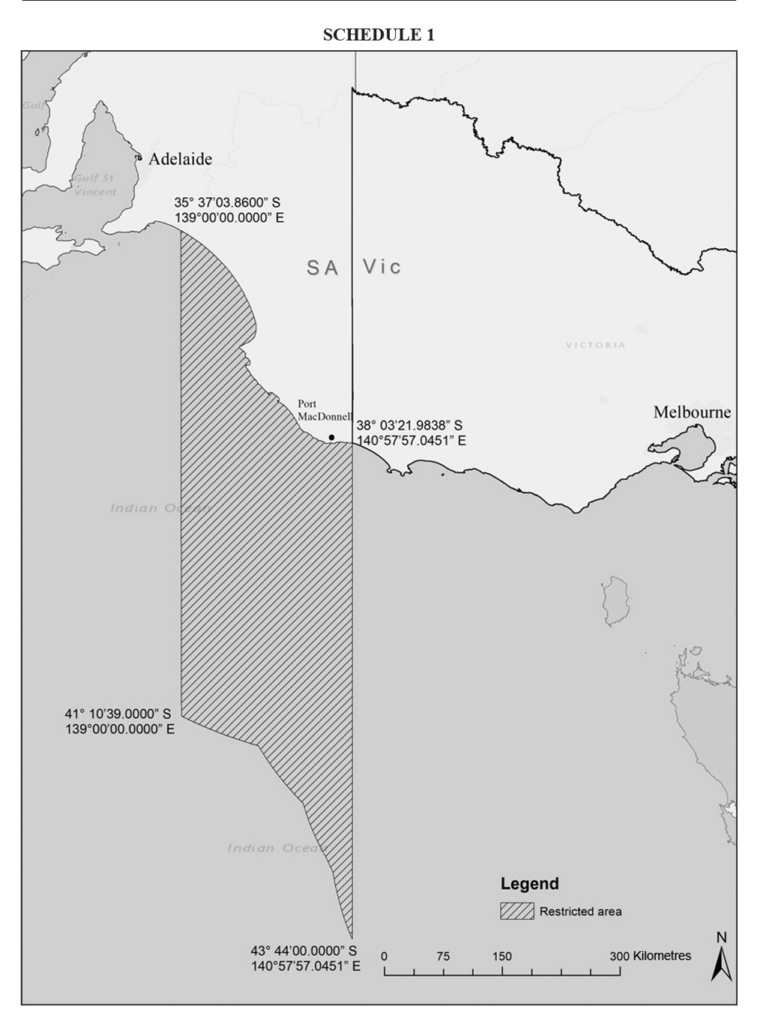
In 2025, South Australia closed the Southern Zone abalone fishery. Due to the spread of AVG and depleted abalone stocks, the take of any abalone (commercial or recreational) is prohibited from the River Murray Mouth to the Victorian Border.
As abalone disease is active in South Australia, Victorians travelling across the border to fish or dive will need to do their part to stop the potential spread of the virus. The disease can be easily transferred between waterways, and has the potential to decimate Victorian abalone stocks.
If you’ve fished in South Australia’s southern zone (marine waters between the Victorian border and the River Murray mouth), here’s what you need to do:
- You must wash your boat, trailer and any fishing equipment that has been used in South Australia’s Southern Zone before you re-enter Victoria. The best way to do this is to follow the Check, Clean and Dry steps and use clean, soapy water at a car wash, accommodation or somewhere away from the water’s edge
- You must not take abalone within South Australia’s southern zone, which is closed to all abalone fishing
- You must not possess unprocessed abalone from South Australian waters anywhere in Victoria
If you find an abalone that you think is sick, anywhere in Victoria, please call the 24-hour Emergency Animal Disease Watch Hotline on 1800 675 888.
Find out more via the Victorian Fisheries Authority’s Abalone Disease webpage.
Fisheries (Abalone Disease Control) Notice 2026
The Fisheries (Abalone Disease Control) Notice 2026 (the Notice) was declared on 26 February 2026. The objective of the Notice is to protect the abalone fishery and abalone aquaculture industry by reducing the risk of AVG spreading into Victorian waters.
Consistent with the existing arrangements, the Notice implements the following controls:
- Prohibition on the possession of unprocessed abalone sourced from South Australia.
- Prohibition on the use of specified fishing and boating equipment used in the South Australian restricted area since the outbreak of the virus, unless that equipment has been decontaminated in accordance with the steps outlined in the Notice.
- Restrictions applying to Victorian Rock Lobster Fishery vessels that operate from a South Australian port. This includes meeting decontamination protocols for any equipment used in the restricted area that is to be used in Victorian waters.
WHAT CAN WE DO TO STOP THE SPREAD?
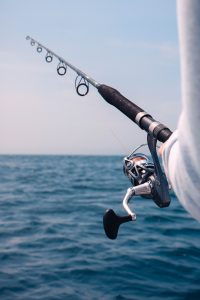
AVG can spread through the water from infected abalone or abalone product (offal, shells or mucus), through fishing equipment (including wetsuits, anchors, rock lobster pots, ropes, rods and lines) and by people who have come into contact with infected abalone or bottom habitat.
CLEAN. CHECK. DRY.
Moving boats and other vessels as well as fishing equipment from waters with marine pests to new locations can increase the risk of spreading these pests to new waters.
All users of the marine environment have a role to play to avoid spreading marine pests to other locations. Parks Victoria have suggested using good vessel hygiene through the ‘Clean. Check. Dry’ method.
Good vessel hygiene through the ‘Clean, Check, Dry’ method means:
- Check any equipment and vessels that have been in marine waters for pests.
- Clean them in soapy, freshwater.
- Dry the equipment, preferably in the sun, before moving to a new marine location.
Other tips to help prevent the spread of marine pests:
- Use soapy, fresh water to throughly wash down boats, vessels, fishing gear, wetsuits, water toys and other marine equipment after use.
- Dry boats, vessels and other marine equipment throughly before moving to other locations.
- When moving boats and marine equipment from areas known to have marine pests be vigilant in using the ‘clean, check, dry’ method before entering other waters.